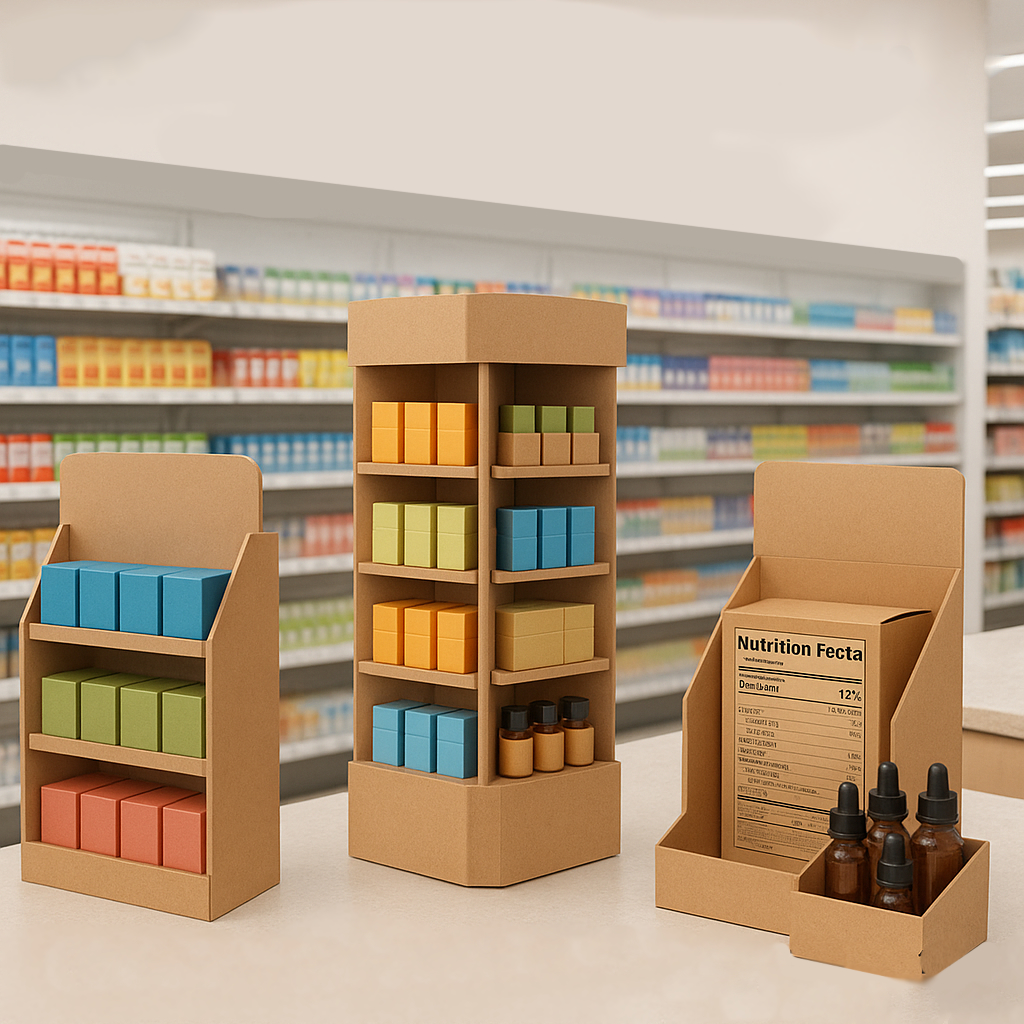
Corrugated POP Displays A Practical Pre Shipment Inspection Checklist
Use this practical pre-shipment inspection checklist for corrugated POP displays to reduce defects and ensure print, structure, and packaging quality.
Back to blogs
A single defect in a corrugated POP display stand can lead to costly returns, shipping delays, and damaged relationships with retail partners. When investing in custom corrugated POP displays to promote your products, the last thing you want is inferior quality undermining your brand image or disrupting retail plans.
That is why pre-shipment inspection matters.For corrugated POP displays, pre-shipment inspection is one of the most effective ways to catch issues. It helps buyers confirm displays match the approved samples, arrive in the right quantity, and are packed well enough to endure shipping and retail use.
This is especially critical for custom displays. Corrugated POP displays must not only look appealing but also ensure safe shipping, smooth assembly, stable load-bearing, and durability throughout the promotion period. Final inspection can effectively reduce risks before displays reach retail stores.
When to Conduct a Pre-Shipment Inspection
In most cases, a pre-shipment inspection is conducted when production is nearly complete, with at least 80% of the goods produced and packaged. Inspectors can clearly examine finished product displays, outer cartons, pallet conditions, labels, and overall packaging quality at this stage. It also allows sufficient time for the buyer to make corrections before shipment continues.
What to Check Before Shipment
1. Quantity and order accuracy
Start by checking the total shipment quantity against the purchase order and packing list. Even small discrepancies can lead to stock shortages, delivery issues, or unnecessary costs.
At the same time, confirm that the displays match the approved versions. Check the structure, dimensions, print version, and board specifications. Even if displays appear similar, using the wrong corrugated board grade will affect strength and performance.
2. Cardboard Quality and Material Condition
For corrugated POP displays, material quality is critical. Check that the cardboard meets approved grades and corrugated profile specifications. Focus on inspecting for crushed flutes, damaged edges, warped panels, separated liners, or other visible signs of fragility.
Displays may appear intact when empty, but fragile or damaged boards often cause shelf sagging, base deformation, or collapse under load.
3. Dimensions and Fit
Measure critical dimensions of the selected sample and compare them against approved drawings or reference samples. The displays should fold and assemble correctly, requiring precise alignment between panels, shelves, top boards, and locking components.
Tilted, warped, or distorted displays may cause assembly difficulties and diminish in-store display effect.
4. Assembly and Joint Strength
Simple assembly testing is one of the most effective inspection steps. Assemble one or two samples by hand to check that snaps, slots, creases, adhesive areas, and locking components meet design requirements.
The displays should assemble smoothly and remain stable without force. Loose joints, cracked creases, weak base locks, or poor bonding indicate potential failure during real use.
5. Load-bearing Performance
If the displays need to support products, testing should be conducted under realistic loads. Shelves should remain level, bases must stay stable, and structures should not bend or collapse.
Many POP displays fail not due to appearance issues, but structural failure under actual load.
6. Moisture and Storage Conditions
Moisture is a common reason for decreased strength in corrugated cardboard displays. Inspect for softened cardboard, warped panels, water stains, musty odors, or signs of damp storage.
Even well-designed displays can fail if the cardboard absorbs excessive moisture before shipping.
7. Printing and Branding Accuracy
As POP displays serve as marketing tools, print quality is critical. Check colors, logo position, text clarity, and overall print effect against approved samples.
Inspect for stains, scratches, misregistration, elements missing, or color deviations. If displays or shipping cartons feature barcodes or QR codes, ensure they are clearly legible.
8. Packaging and Shipping Preparation
Improper packaging may damage sturdy displays during shipping. Inspect outer cartons, seals, labels, pallet stacking, and surface protection measures.
Printed surfaces and structural edges must have adequate shipping protection. Cartons must not be crushed, loose, or exposed to moisture risks. Export shipments require particular attention to pallet stability and strapping quality.
Defect Classification
Grouping defects by severity before shipping decisions assists in decision-making.
Critical defects are issues rendering the display unusable or unacceptable, such as severe structural defects, significant moisture damage, unreadable barcodes, or incorrect circuit board grades.
Major defects: Serious issues affecting functionality or appearance, such as loose seams, noticeable warping, dimensional errors, or major printing mistakes.
Minor Defects: Minor appearance issues that do not significantly affect performance or appearance.
Using this framework makes it easier to decide whether the shipment should be accepted, reworked, or rejected.
Common Causes of Corrugated POP Display Failures
Most failures in corrugated POP displays stem from several common issues: using the wrong grade of cardboard; improper execution of structural details; weakened cardboard strength due to moisture before delivery; or damage from improper packaging, even when production itself is compliant.
Thorough pre-shipment inspections can promptly detect these potential issues, preventing them from developing into problems at the retail stage.
Final Thoughts
Pre-shipment inspection is not merely a routine quality control process—it is a practical method to ensure retail plans, project timelines, and brand image remain on track.
For corrugated POP displays, the objective is clear: ensure displays not only look perfect at the factory but also arrive safely, assemble correctly, and perform effectively in-store.
At Meiya Display, we view quality control as an integral part of the entire display process—from structural design and printing production to packaging and shipping. Successful POP displays should not only reach their destination but be ready for immediate use upon arrival.


Inspector checking a corrugated POP display stand before shipment to verify structure, print quality, packaging condition, and retail readiness.
Useful Links:
Structural Design of Corrugated POP Displays: Premium Appearance, Solid Strength
https://meiyastand.com/post/structural-design-of-corrugated-pop-displays-premium-appearance-solid-strength
Cardboard POP Displays: A Practical Guide to Printing and Materials
https://meiyastand.com/post/cardboard-pop-displays-a-practical-guide-to-printing-and-materials
How to Design Eye-catching Corrugated Cardboard POP Displays
https://meiyastand.com/post/how-to-design-eye-catching-corrugated-cardboard-pop-displays
How to Choose the Right Custom Cardboard Display Stand for Your Brand
https://meiyastand.com/post/how-to-choose-the-right-custom-cardboard-display-stand-for-your-brand
RFQ Template for Corrugated POP Displays: Essential Specs for Accurate Quotes
https://meiyastand.com/post/rfq-template-for-corrugated-pop-displays-essential-specs-for-accurate-quotes
Quality Control
https://www.meiyastand.com/info/quality-control
Latest Posts
All Posts