Flat-Pack Shipping of POP Displays: How to Reduce Damage and Lower Shipping Costs
Learn how flat-pack shipping can help reduce freight costs for POP displays while improving protection during transit.
Back to blogs
Flat-pack shipping is one of the most practical ways to transport POP displays more efficiently. It helps reduce shipping volume, saves storage space, and facilitates smoother distribution across multiple stores or regions. For many retail projects, this can deliver significant savings on shipping costs.
However, reducing shipping costs is only part of the issue. If a flat-pack display unit suffers from crushed edges, warped panels, or damaged locking parts during transit, the savings can quickly disappear. Replacement, delays, and in-store assembly issues often cost more than expected.
For this reason, flat-pack shipping should be integrated into the display unit development process from the start. This is not merely a packaging decision; it affects the structure, materials, packing methods, and performance of the display unit from factory to store.
Why flat-pack shipping works
POP displays are commonly used for seasonal promotions, limited-time offers, and multi-store rollouts. In these programs, shipping efficiency matters. The more cleanly displays can be packed, stored, and distributed, the easier the rollout becomes.
Flat-packed displays usually take up less space than pre-assembled units. That can improve container use, reduce storage pressure, and make store delivery easier to manage. It can also simplify inventory handling before launch.
Flat-pack shipping also offers brands greater flexibility. Displays are easier to sort, count, and distribute when they are packed in a compact format. For projects requiring shipping to multiple locations, this enables smoother execution.
However, these advantages only stand when the display stand's design ensures it can be transported safely in a flat-pack form.
Start with the shipping path
A common mistake is to finalize the shape of the displays first and consider transport later. In reality, the transport route should influence the structural design from the outset.
A flat-packed POP display may go through palletizing, container loading, warehouse storage, local transport, and in-store handling before reaching the sales floor. Each stage increases the risk of pressure, displacement, and collisions.
This means that practical transportation issues must be solved early: How will the products be packed? How high will the cartons be stacked? How far will they be transported? Will they be exposed to humid conditions during transport or storage? Will they be assembled immediately, or stored for a period of time?
The impact of these details extends far beyond logistics. They will change the cardboard grade, folding logic, the required reinforcement level, and the construction of the outer carton.
Use structure that holds up in flattened form
Not all POP displays are equally suitable for flat-pack shipping. Some designs fold cleanly and remain stable, while others become more fragile when pressured during transit.
Large unsupported panels, exposed clips, narrow locking points, and fragile inserts are more prone to causing issues. If these parts become bent or crushed during transport, assembly becomes significantly more difficult, and the assembled displays may fail to achieve their intended appearance and performance.
A high-quality flat-pack structure should remain stable when folded and be easy to assemble after shipping. Store staff should not have to force components into place or bypass damaged connections to get the display ready for immediate placement on the floor.
In many cases, simpler structures perform better. Clear folding logic and fewer fragile parts usually mean easier shipping, simpler assembly, and more reliable in-store display performance.
Select the proper board strength based on the specific application
Saving on shipping costs should never come at the expense of load-bearing capacity under actual retail conditions.
The choice of board material should meet the project's specific requirements. Product weight, panel dimensions, stacking pressure, shipping distance, storage conditions, and retail handling operations are critical factors. Although both a small counter display and a larger floor display may be shipped flat-packed, they face different structure requirements.
In addition, consider factors beyond the display unit itself. The outer shipping carton, internal bracing, and pallet loading methods all influence the forces acting on the display during transport.
The goal is not to use material beyond what is necessary, but to select materials with the appropriate strength based on the actual shipping environment.
Optimizing Packaging to Reduce Shipping Damage
Even sturdy displays can be damaged due to improper packaging.
If a display shifts inside the carton, it becomes more likely to suffer from crushed corners, worn edges, scratched printed surfaces, or warped panels. Excessive space within the shipping carton often leads to unnecessary movement during transit.
Better packaging maintains displays' stability and protects vulnerable areas while ensuring ease of unpacking. Printed surfaces may need to be separated. Folded edges may require support. Critical structure components should not be placed where they might bear point pressure.
Direction of placement is also crucial. In some cases, simply changing how the display is placed within the carton can improve load distribution and reduce the risk of damage.
Quality packing is not only about protection but should also support efficient packing, counting, and in-store handling.
Pay attention to the outer carton and pallet plan
Damage is not always caused by the displays themselves. In many cases, the real problem stems from the outer carton or pallet setup.
If the carton is too large, too weak, or poorly matched to the folded display, the items inside are more likely to move or collapse under stacking pressure. If the pallet is loaded unsteadily, goods extend beyond the pallet edges, or the load is distributed unevenly, transport stability will be affected.
Carton dimensions should fit the display unit closely to reduce movement and ensure efficient packing. The pallet layout should support stable stacking, safe handling, and even load distribution during transport.
These details may seem secondary, but they directly impact the safe arrival of flat-pack displays.
Test before full production
Flat-pack shipping should be tested before mass production, rather than waiting until problems arise during practical use.
A single sample may appear to be in good condition, but this does not reflect actual shipping conditions. After undergoing shipping tests or routine logistics inspections, it is essential to evaluate the fit of the cartons, stacking packaging, handling resistance, and assembly performance.
Displays should not only maintain their appearance during transit but also open, lock, and stand securely after unpacking. If the product arrives in acceptable condition but is difficult to assemble, it is still a problem.
Conclusion
Flat-pack shipping can reduce freight costs and improve rollout efficiency, but only when the displays are designed to withstand the entire shipping process.
The most reliable results come from treating transportation as an integral part of the design process. Structure, panel strength, packing, outer carton compatibility, and pallet planning need to work in coordination. When these elements work together, flat-pack shipping becomes more than just a space-saving method; it's a smarter solution that ensures POP displays arrive intact, assemble smoothly, and perform better at the retail point of sale.
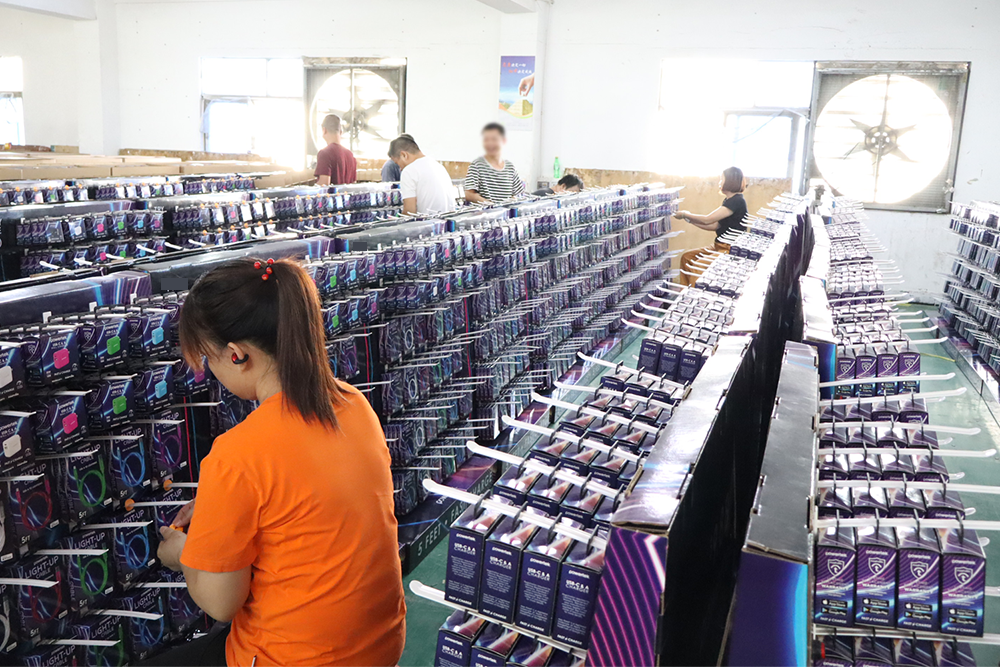


Flat-pack POP displays being packed for safe and efficient shipping.
Useful Links:
Related Guides
- What Is a Cardboard Display Stand and Why Does It Work So Well in Retail
https://meiyastand.com/post/what-is-a-cardboard-display-stand-and-why-does-it-work-so-well-in-retail - Corrugated POP Displays: A Practical Pre-Shipment Inspection Checklist
https://meiyastand.com/post/corrugated-pop-displays-a-practical-pre-shipment-inspection-checklist - Tool-Free POP Display Assembly: How Brands Can Speed Up In-Store Setup
https://meiyastand.com/post/tool-free-pop-display-assembly-how-brands-can-speed-up-in-store-setup - Endcap Display Design That Converts Casual Browsers into Buyers
https://meiyastand.com/post/endcap-display-design-that-converts-casual-browsers-into-buyers - Understanding PDQ Displays: What They Mean and Why Retailers Use Them
https://meiyastand.com/post/understanding-pdq-displays-what-they-mean-and-why-retailers-use-them
Related Products
- Custom Cardboard Floor Display Stand
https://meiyastand.com/product/custom-cardboard-floor-display-stand - Countertop Display Stands for Retail
https://meiyastand.com/product/counter-display-stand - Sidekick Display (Power Wing) Solutions
https://meiyastand.com/product/sidekick-display
Learn More About Our Capabilities
- Custom POP Display Design Services
https://meiyastand.com/ - Sustainable Corrugated Display Solutions
https://meiyastand.com/
Latest Posts
All Posts