A Guide to PDQ Displays: How to Reduce Labor Costs in Retail Stores Executive Summary
PDQ displays help reduce store labor, speed up restocking, and improve in-store execution with retail-ready corrugated packaging.
Back to blogs
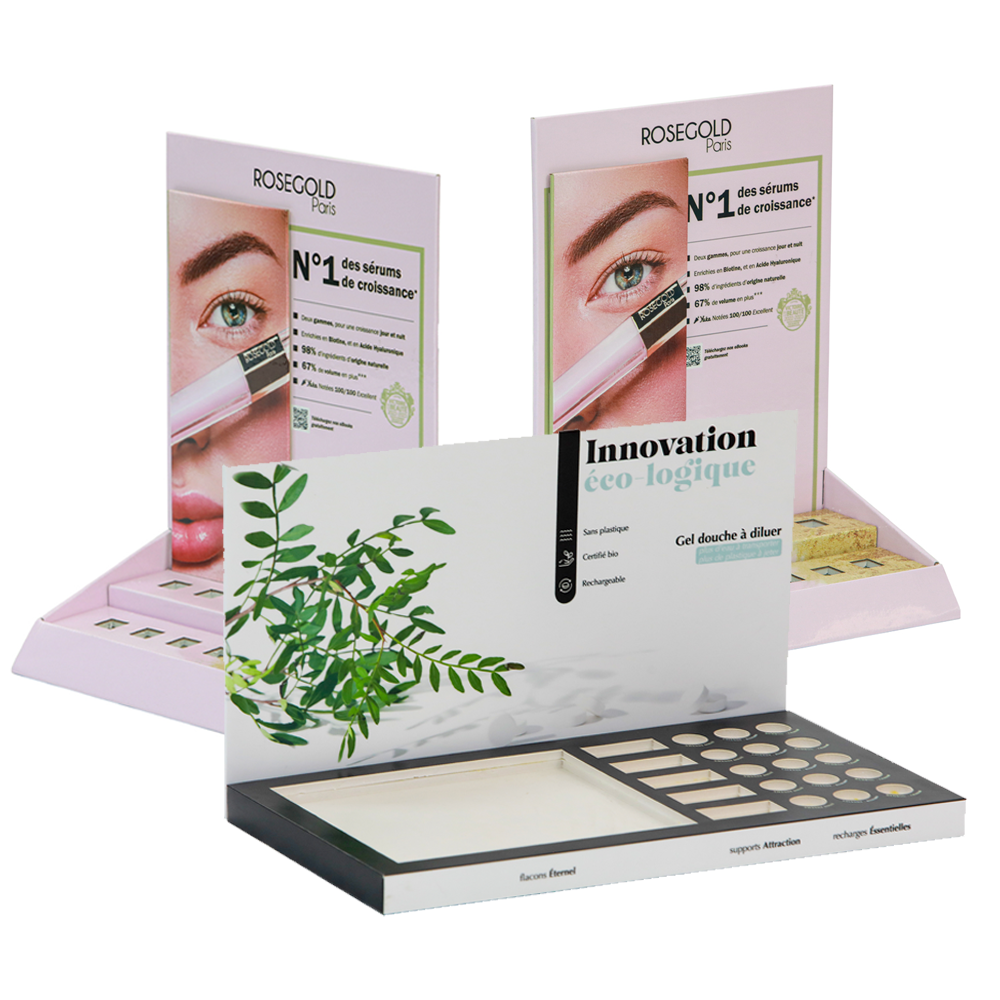
PDQ displays are ready-to-use retail packaging units designed for quick in-store setup. These displays are pre-loaded with products before shipping, allowing store staff to place them directly on the sales floor without unpacking and stocking items This helps reduce store labor costs, speed up restocking, and improve the efficiency of promotions. A well-designed PDQ display unit can also increase product visibility and encourage impulsive purchases.
What Are PDQ Displays
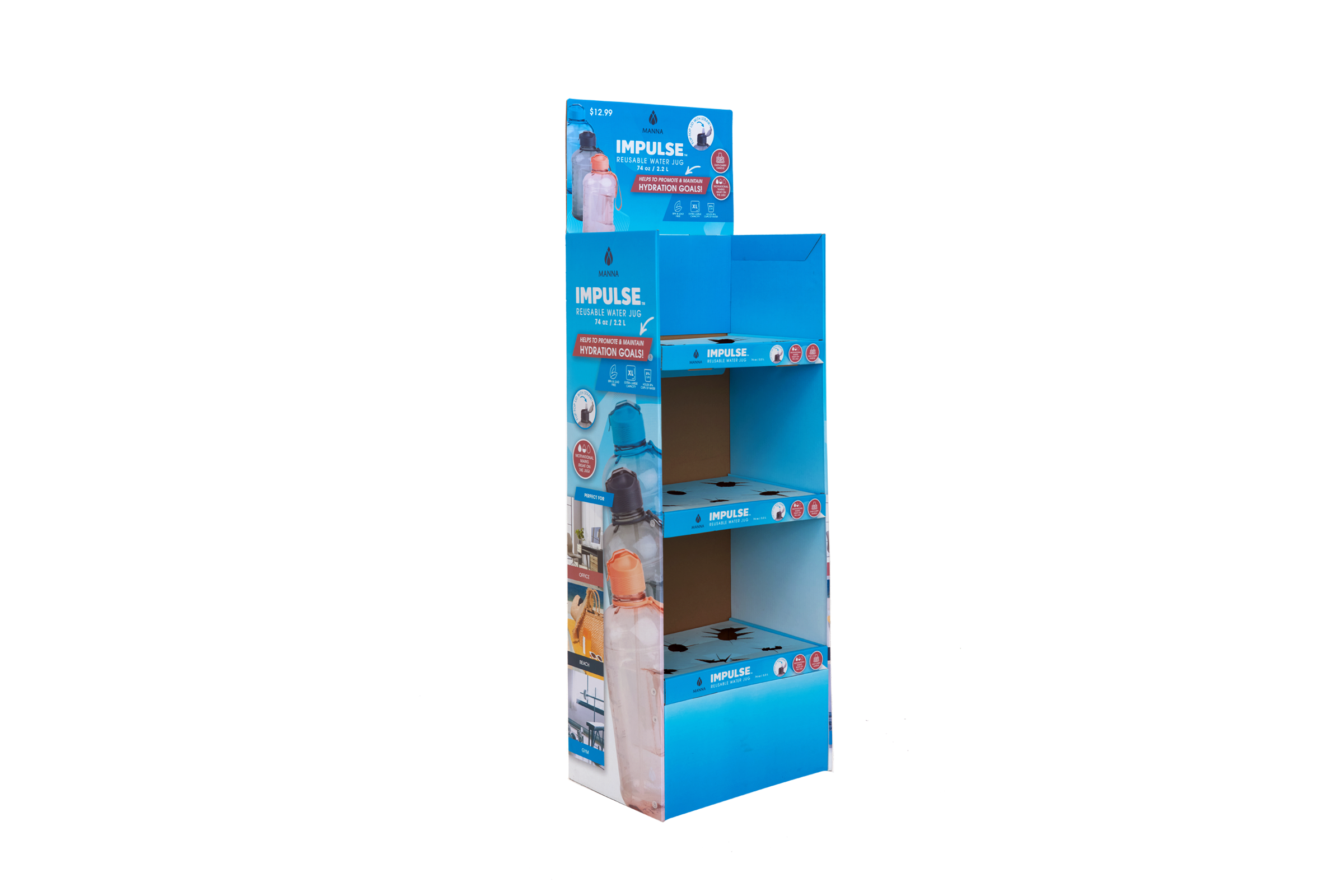
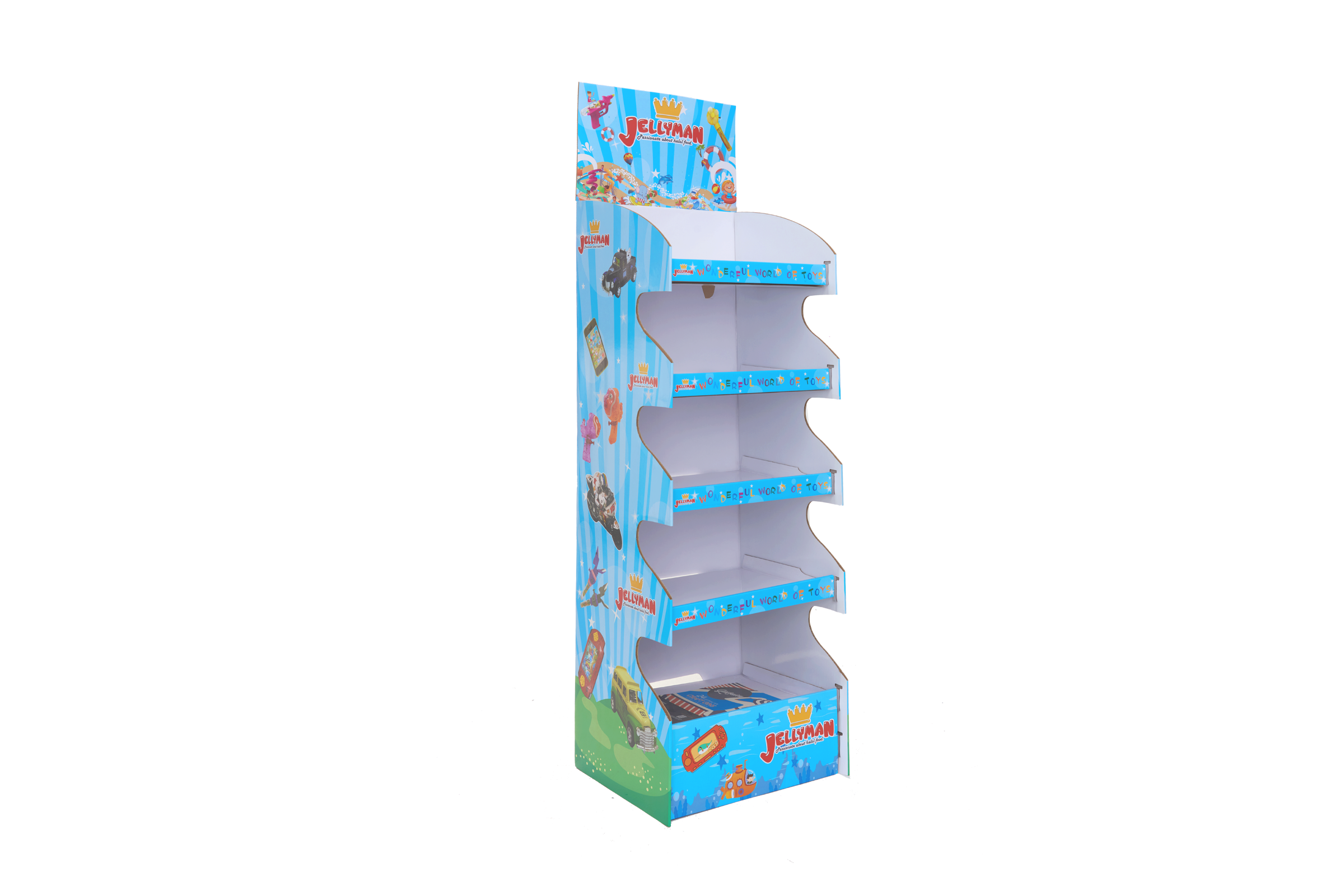
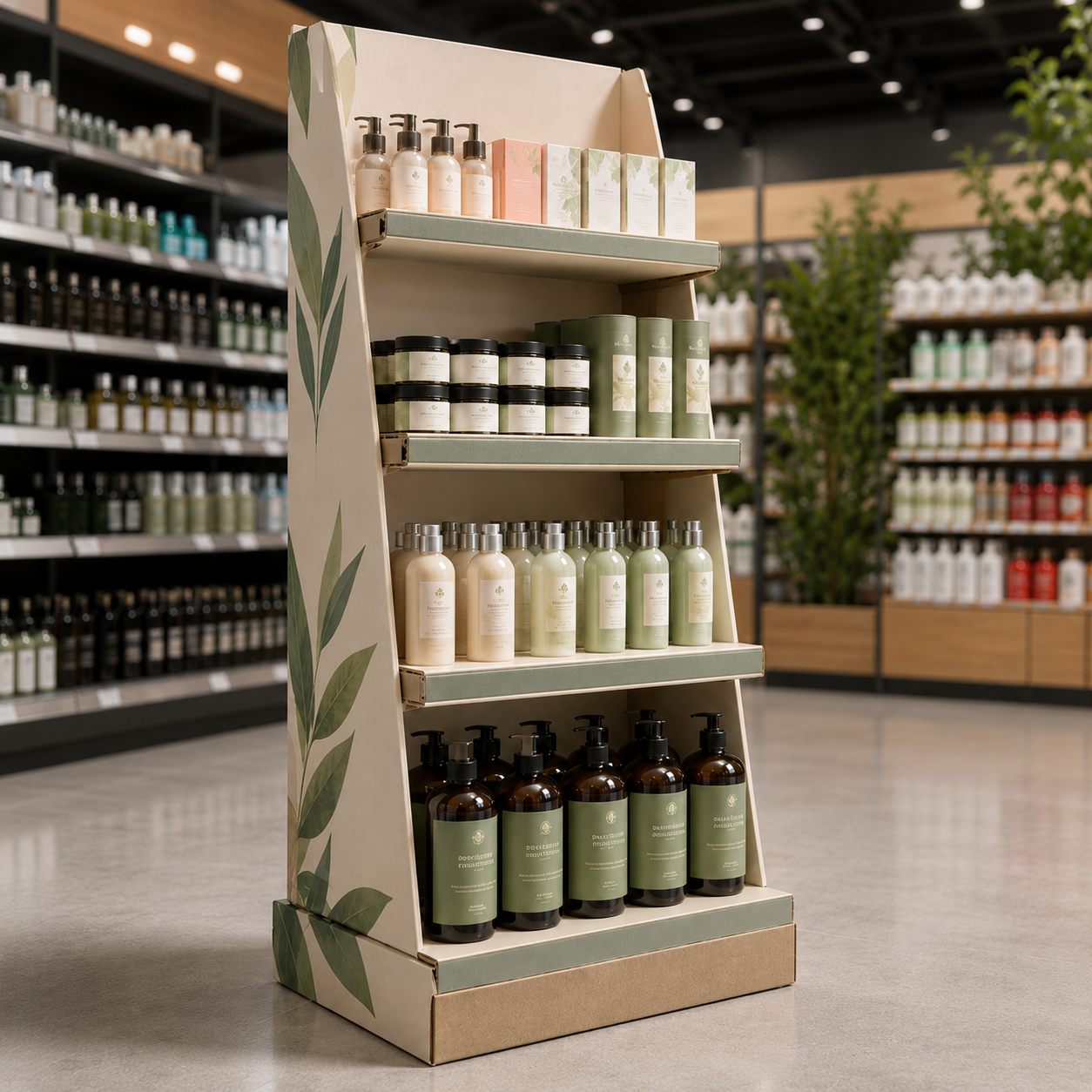
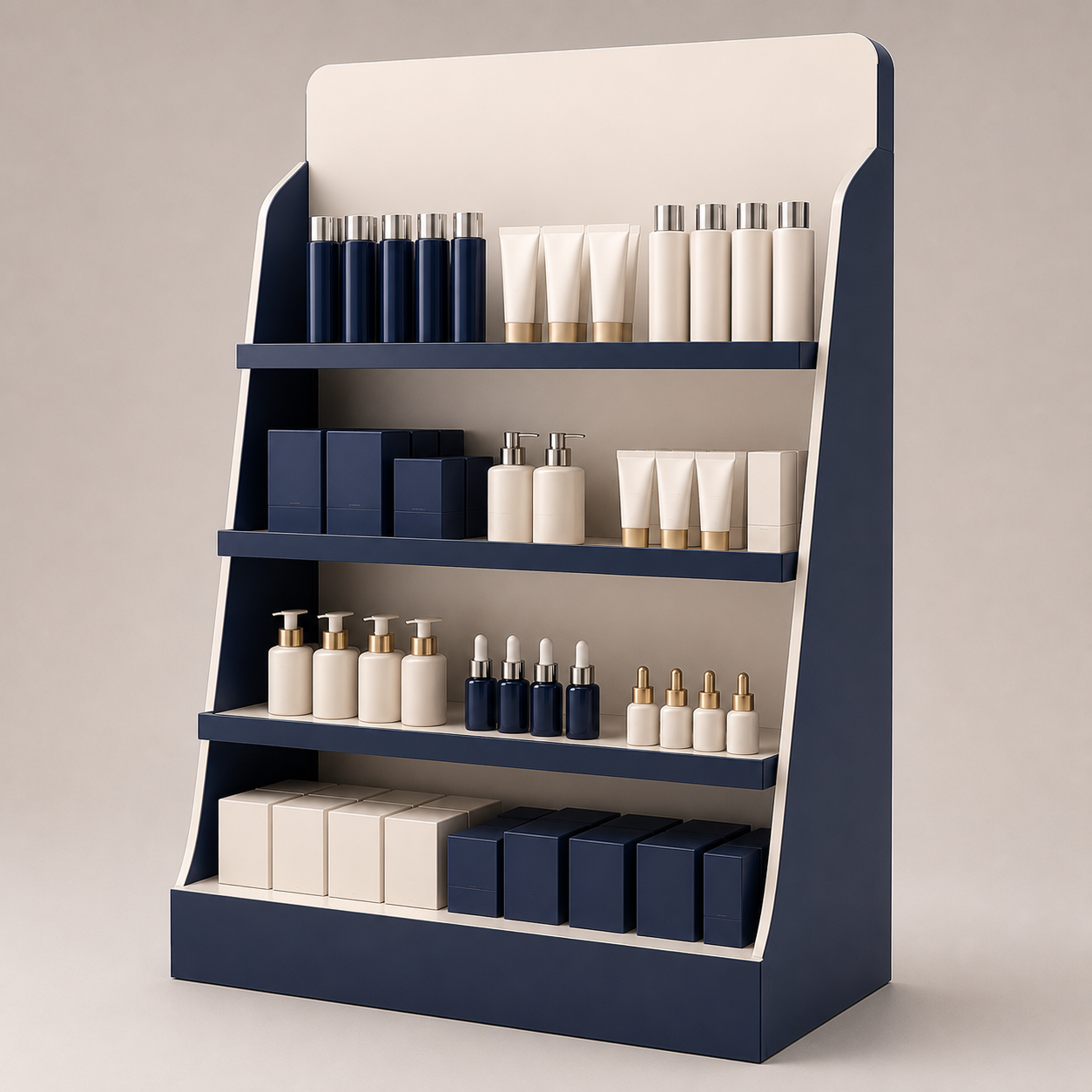
PDQ displays are pre-loaded display units that can be quickly assembled in-store upon delivery. Most are made of corrugated cardboard, making them lightweight, cost-effective, and easy to customize for retail promotions.
Once the displays arrive, store staff usually only need to remove the outer packaging or tear off the removable panel to place them directly on shelves, counters, end caps, or other promotional areas. Common formats include shelf trays, counter displays, and temporary floor displays.
Because PDQ displays combine product packaging and display functions, they are often used as point-of-purchase retail packaging for snacks, cosmetics, health supplements, personal care products, and other FMCG items.
How PDQ Displays Reduce Labor Costs in Retail Stores
The main advantage of PDQ displays lies in simplifying multiple steps of the standard restocking process. For products packaged in standard cartons, retail staff usually need to transport the cartons to the shelves, open each one, unpack the items, place products on the shelves manually, and handle the empty packaging. PDQ displays simplify this workflow because the products are pre-packaged into units ready for instant shelf placement. Staff can place the display and make it shopper-ready much faster.
PDQ displays can also improve the consistency of in-store merchandising. Items are pre-arranged in a intended presentation, reducing the time spent organizing shelves or correcting product placement. Inventories become easier to check, enabling faster and more efficient restocking.
Where PDQ Displays Work Best
PDQ displays work best in locations where speed, visibility, and convenience matter. They are commonly placed at checkout counters, on shelves, on endcaps, or in sidekick positions. Larger corrugated PDQ displays can also support seasonal promotions, limited-time offers, and new product launches.
The right format depends on the product, the retailer, and the available selling space. A compact countertop display serves a different purpose from a reinforced floor display designed for heavier items or higher-volume merchandise.
What Makes a PDQ Program Successful
A PDQ display will reduce store labor when it performs well in real retail conditions.
The structure needs to fit the retailer’s shelf space, protect the product during shipping and handling, and be easy for store teams to place correctly. Poor product fit, weak structure, or unsuitable dimensions can reduce the labor-saving benefits and lead to execution issues in store.
That is why a successful PDQ program depends on good structural design, retailer alignment, and transit testing. For brands using corrugated PDQ displays, operational performance matters just as much as shelf appearance.
Conclusion
PDQ displays help retailers move products from shipping packaging to the sales floor more efficiently, reducing labor costs. As a retail-ready packaging, it simplifies restocking, enables faster display setup, and improves in-store execution efficiency. When the dimensions, structure, and packing design are optimized, PDQ displays not only deliver practical value to retailers but also enhance brand visibility.
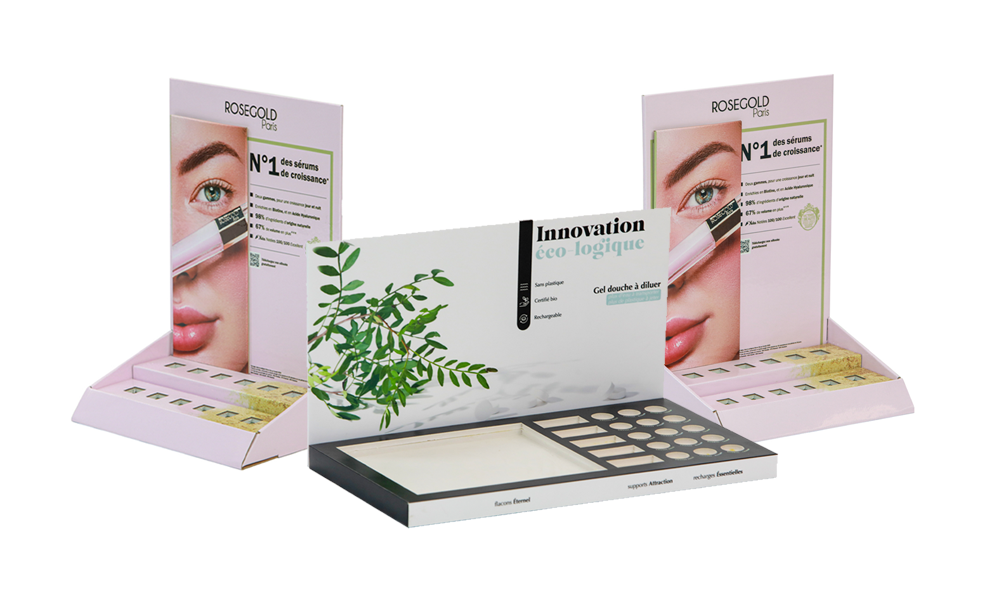
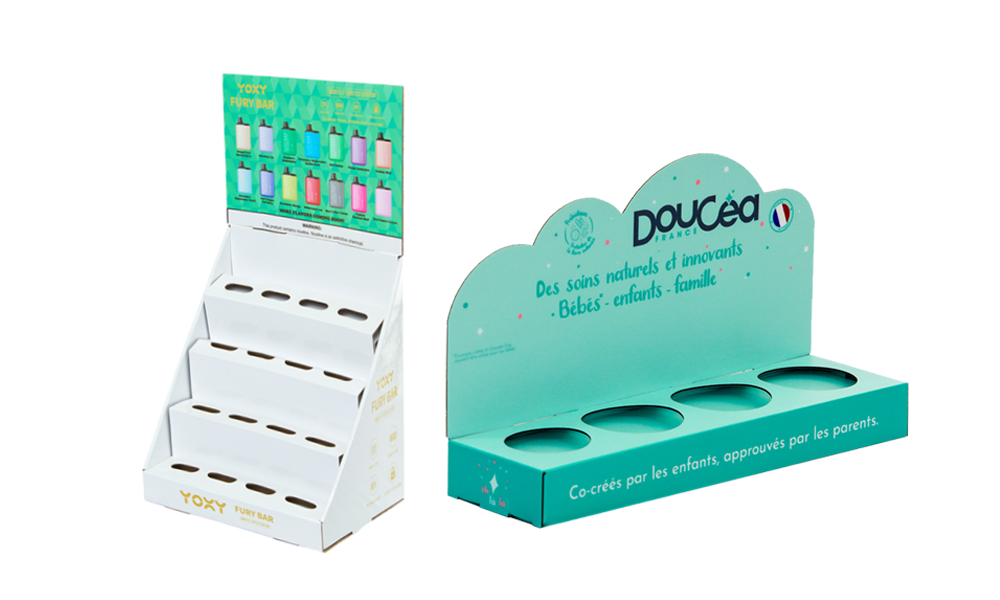
Corrugated PDQ displays are retail-ready packaging solutions that help reduce store labor, speed up restocking, and improve in-store product visibility.
Useful Links: