Cardboard Display RFQ: Required Information for the Buyer
Clear and detailed cardboard display RFQs ensure accurate quotations, streamlined supplier comparison, faster sampling, and fewer production & delivery issues.
Back to blogs
Executive Summary
A clear RFQ helps buyers get more accurate quotes, reduce revisions, and avoid unexpected changes later in the project. In cardboard display sourcing, the biggest problem is usually not price, but missing information. When suppliers have to make assumptions about the structure, materials, printing requirements, load capacity, or shipping method, their quotes are no longer based on the same slope.
A good RFQ should clearly specify the display’s functional requirements, manufacturing processes, quality inspection criteria, and the methods for packaging and delivering the finished products. The clearer the RFQ, the easier it is to compare suppliers, move into sampling, and reduce issues during production and delivery.
Why RFQ Quality Matters
Many display projects run into difficulties at the quotation stage because suppliers base quotes on different assumptions. Some suppliers may use a lighter cardboard grade, some may assume a stronger structure, and others may price based on different packaging or shipping options.
That's why a RFQ for cardboard display stands shouldn't be limited to price inquiries. It should clearly define the display's purpose, performance requirements, and key commercial terms from the start to ensure that suppliers quote for the same project.
Define the Project Scope First
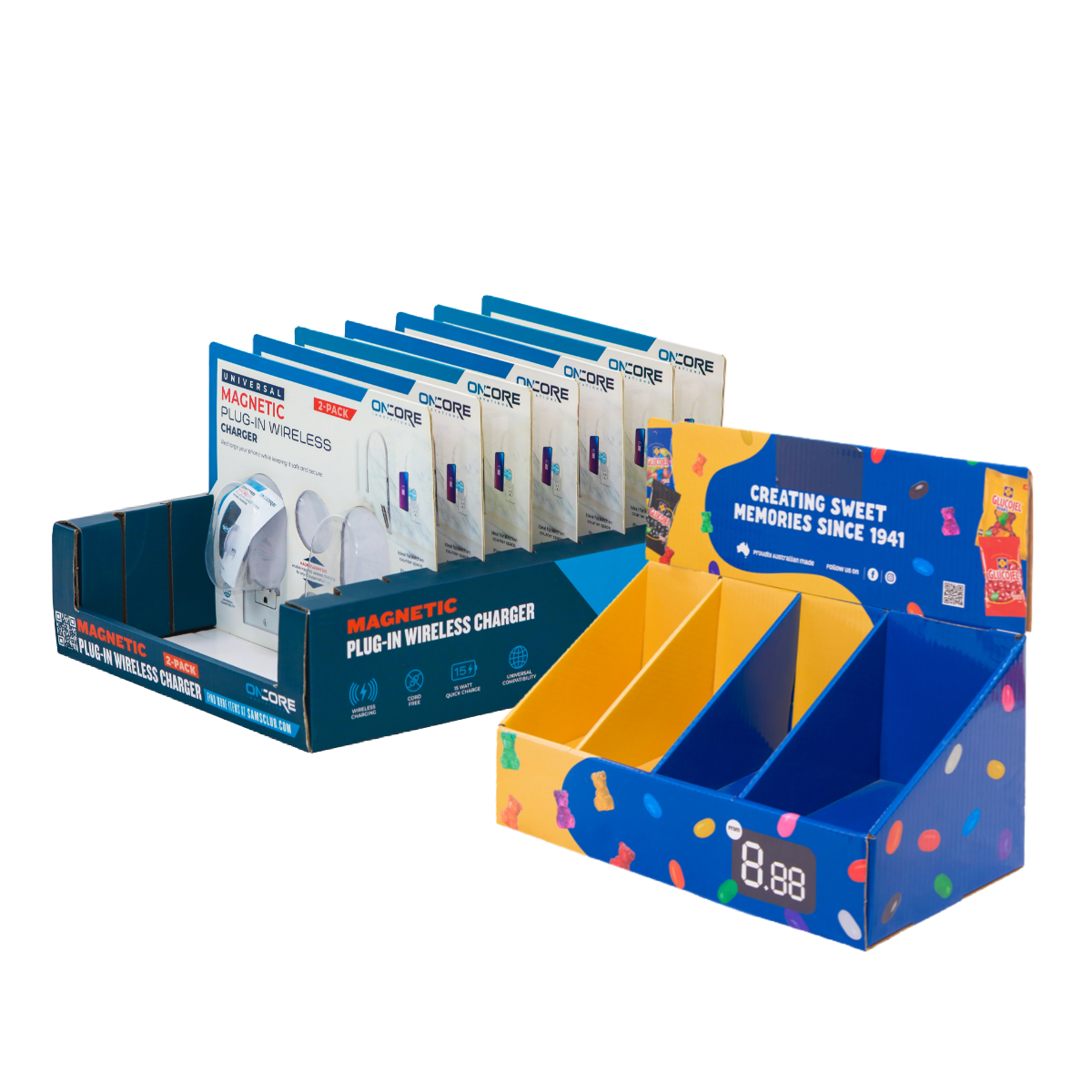
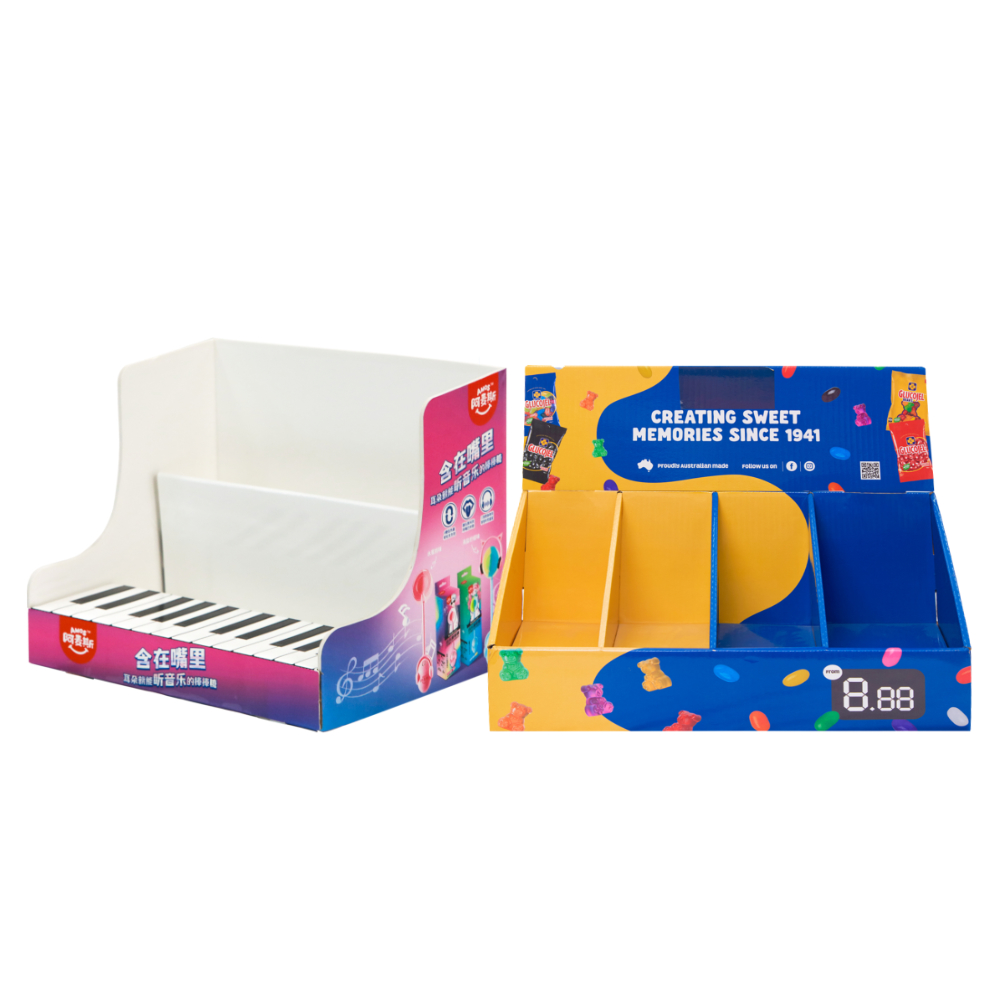
First, you need to identify the display type, such as counter displays, floor displays, pallet displays, or PDQ shipping boxes. You should also consider the retail channel, as members-only warehouses, chain supermarkets, and specialty retailers usually have different requirements in terms of structure and logistics.
It is also important to clarify how the displays will be delivered to the store. Will them be ship flat-packed, pre-assembled, or pre-filled with products? Will store staff need to assemble them or should them be ready to open and place right away?
Basic product information should be included as well, such as SKU count, product dimensions, unit weight, packaging details, and any potential problems from earlier projects, such as weak shelves, fallout, or instability during shipping.
Specify the Structural Requirements
Structural requirements should be clear and quantifiable. Buyers should list key dimensions such as overall footprint, shelf spacing, tray opening size, header height, and packed shipping size where necessary.
Material requirements should also be defined clearly. Instead of simply specifying corrugated cardboard, specify the board grades, flute preference, and required strength level. If other board grades are acceptable, this should be stated as early as possible.
The RFQ should also define load capacity, overall stability, and any assembly requirements. This is especially important for floor displays, large-format products, or programs that will be rolled out across multiple stores.
Clarify Printing and Finishing Details
Print requirements will often cause delays when they are discussed too late. The RFQ should state whether the buyer will provide the final dieline or whether the supplier is expected to develop one. Artwork requirements should also be clear, including file formats, linked assets, fonts, and approval steps.
Color requirements should be specified early. The buyer should clarify whether the project will use CMYK, spot colors, or a combination of both. If brand color consistency is critical, approval standards should also be clearly defined.
Post-press finishing details should also be included, such as lamination, perforation, tear-off sections, die-cutting, and coating. These details will affect plate-making, costs, durability, and recyclability, therefore leaving no room for interpretation.
Define Quality and Testing Requirements
A good cardboard display RFQ should also specify how quality will be reviewed and what testing is required. Buyers should define inspection standards, acceptable print variation, and how both appearance and structural performance will be checked.
If an AQL-based inspection method is used, it should be stated in the RFQ. Where relevant, testing requirements should also be listed clearly, such as load testing, drop testing, compression testing, or transportation simulation.
Sampling stages should also be defined in advance. In many projects, that means starting with a white sample for structural review, followed by a printed sample or color proof, and then a pre-production sample produced with the same process as mass production.
Include Packaging and Commercial Terms
Packaging and palletization should be considered as part of the display project, not as a separate issue. Buyers should define carton requirements, labeling, pallet limits, stacking height, and any in-store receiving or restocking requirements.
Commercial terms should also be standardized. Suppliers should separate one-time costs from recurring unit costs and clearly state lead time, payment terms, and delivery terms.
It is also important to clarify ownership of artwork, dielines, and related files, as well as confidentiality requirements and change control policies.
A detailed RFQ helps prevent confusion not only during the quotation stage, but also later in production and reordering.
Buyer Checklist
Before sending a cardboard display RFQ, buyers should confirm the following points:
· Display type and retail channel
· Delivery methods and packaging options
· Product dimensions, weight, and SKU details
· Structural dimensions and material requirements
· Load capacity and stability expectations
· Artwork, color, and finishing details
· Inspection, testing, and sample requirements
· Packaging, palletization, and shipping terms
· Pricing format, IP ownership, confidentiality, and change control
Conclusion
The best cardboard display RFQs do more than ask for a quote. They give suppliers the clear details to quote for the same project in the same way. This helps ensure the better comparisons, faster sampling, fewer revisions, and makes the entire production process run more smoothly.
For buyers, a more complete RFQ reduces risk later in the project. For suppliers, it creates a clearer starting point for structural design, printing, packaging, and delivery schedule. In short, a well-prepared RFQ makes the entire display program easier to manage.


A complete RFQ makes it easier for suppliers to quote the same cardboard display project with fewer revisions and fewer surprises later.
Useful Links:
Latest Posts
All Posts