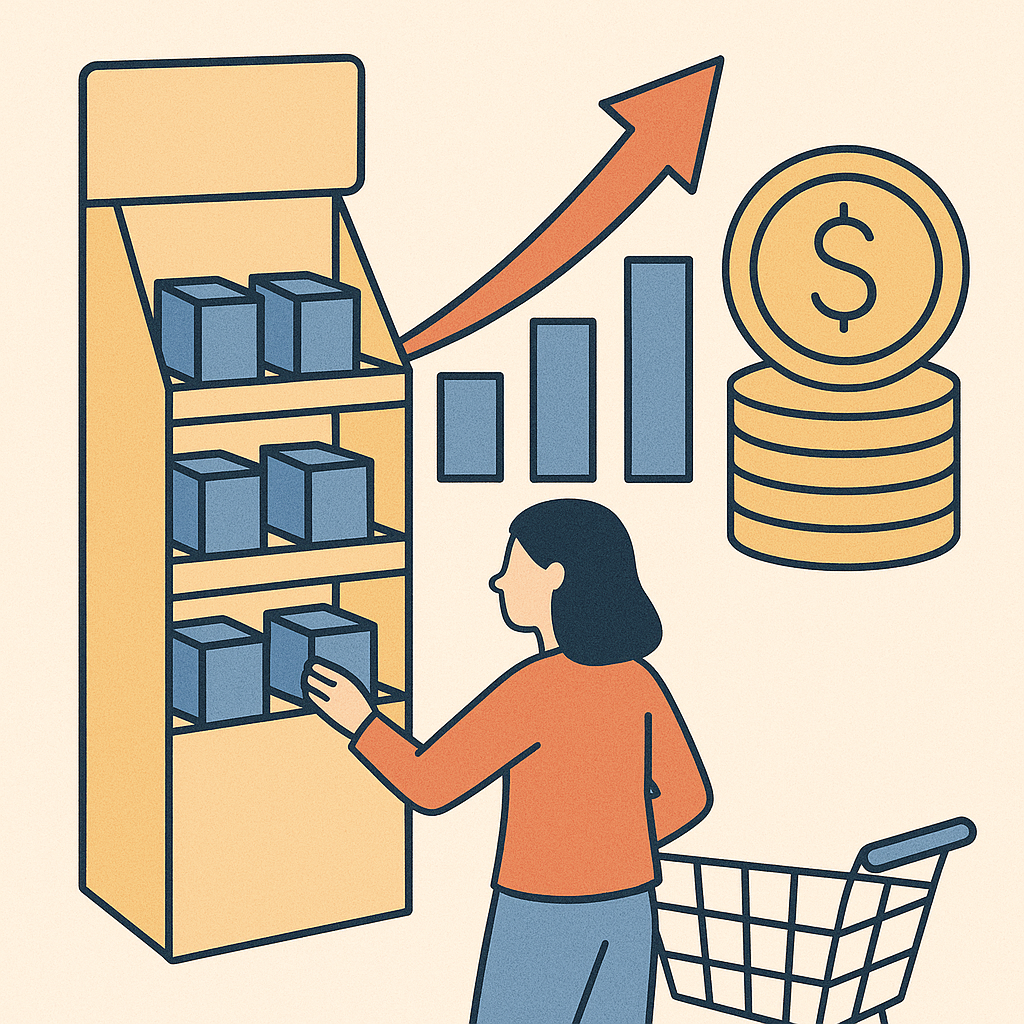
How Cardboard Display Stands Affect In-Store Display Outcomes and Profit
Cardboard display stands boost in store visibility, impulse buys, and ROI with low cost, easy setup, and recyclable materials. Learn best placements and formats.
Back to blogs
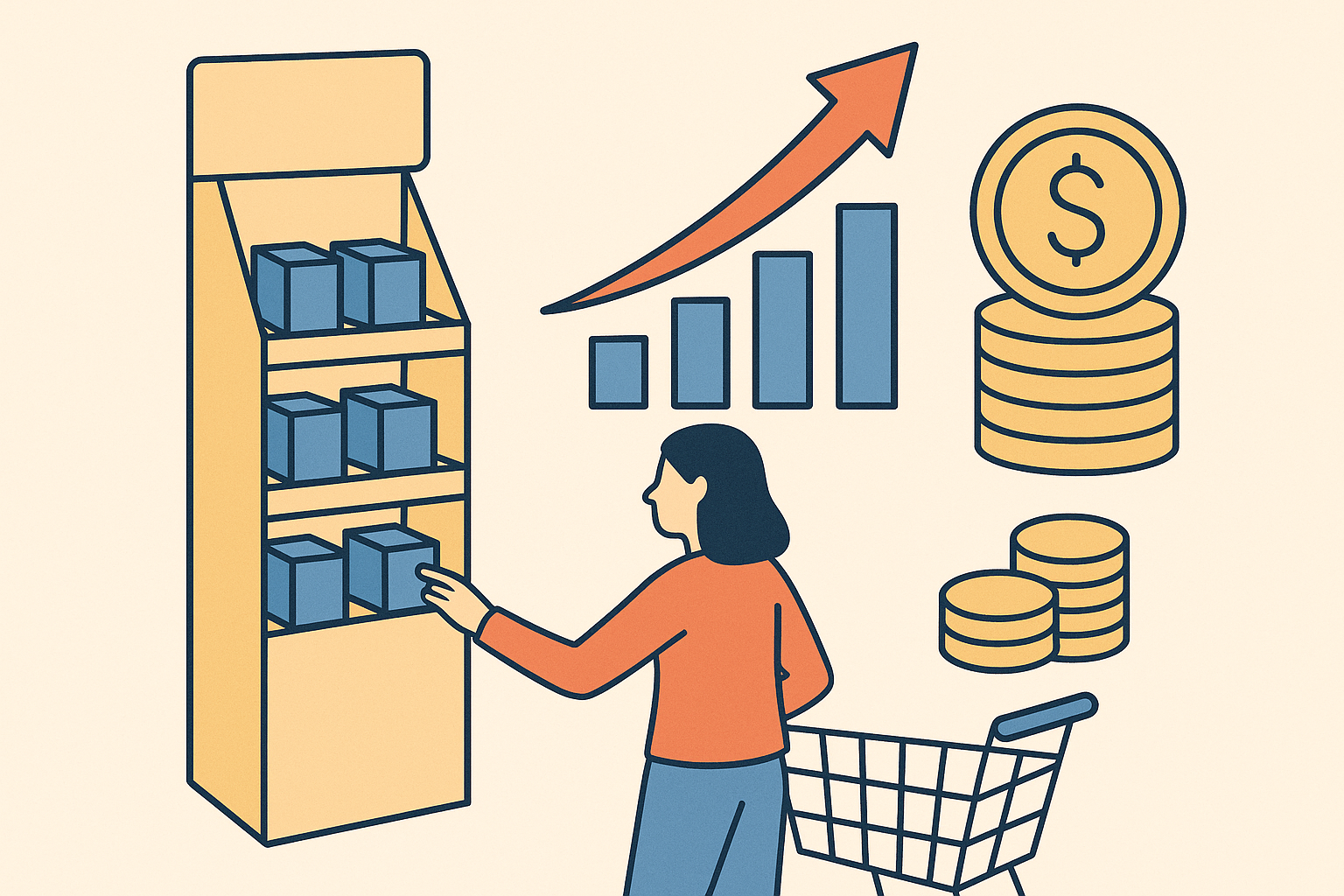
Point of purchase displays can change what shoppers notice and buy inside a store. Over time, research has shown that a growing share of purchase decisions happen in store, rising from about 70 percent in the 1990s to over 80 percent by the mid 2010s. A POPAI industry study in 2014 reported that 82 percent of mass merchant purchase decisions were made in store, and about 16 percent of unplanned purchases were triggered by a display the shopper noticed.
Cardboard display stands are widely used for short promotional windows, often weeks or a few months. These cardboard point of sale displays are typically made from corrugated cardboard or reinforced paperboard. Compared with permanent fixtures made from metal, wood, or plastic, corrugated cardboard displays are lighter, easier to customize, and easier to recycle. That combination makes them a practical tool for seasonal campaigns, product launches, and limited time offers.
Why Cardboard Point of Purchase Displays Work
1 They win attention in high traffic zones
Cardboard POS display stands are often placed where shoppers naturally slow down or change direction, such as end caps, near checkout, store entrances, and open floor locations. This positioning matters because it reaches shoppers while they are still deciding.
2 They create novelty that breaks routine
Permanent fixtures can become part of the background. A temporary retail floor display feels new, so it is more likely to be noticed. Clean headers, bold graphics, and seasonal themes can interrupt habitual shopping patterns and increase engagement.
3 They make the offer easier to understand
A good cardboard point of sale display does more than hold products. It can quickly communicate a price offer, a bundle, or one clear benefit. For example, a holiday gift set placed on a festive cardboard floor display near the main aisle can turn a quick glance into an add on purchase. In grocery, a beverage display near the entrance during hot weather can connect the product to an immediate need and increase impulse buying.
Sales Uplift and ROI Compared With Permanent Fixtures
Sales uplift measures the percentage increase in sales linked to a display. Both temporary cardboard displays and permanent fixtures can lift sales, but their economics differ.
Cardboard display stands often deliver strong short term impact during the campaign period. They also tend to cost far less per unit than permanent fixtures. Because the upfront cost is lower, the payback threshold is usually easier to reach, especially for products with healthy margins.
Permanent fixtures can still make sense for stable product lines that need consistent visibility over months or years. The tradeoff is flexibility. If the product, branding, or planogram changes, updates and replacements are typically slower and more expensive than refreshing a cardboard display for the next promotion.
Many brands use both: cardboard displays for launches and seasonal pushes, and permanent fixtures for long term anchors.
Total Cost Advantages of Corrugated Cardboard Displays
Shipping and storage
Most corrugated POS displays ship flat, reducing freight weight and cube. Flat packing also makes store distribution easier across large retail networks.
Faster setup
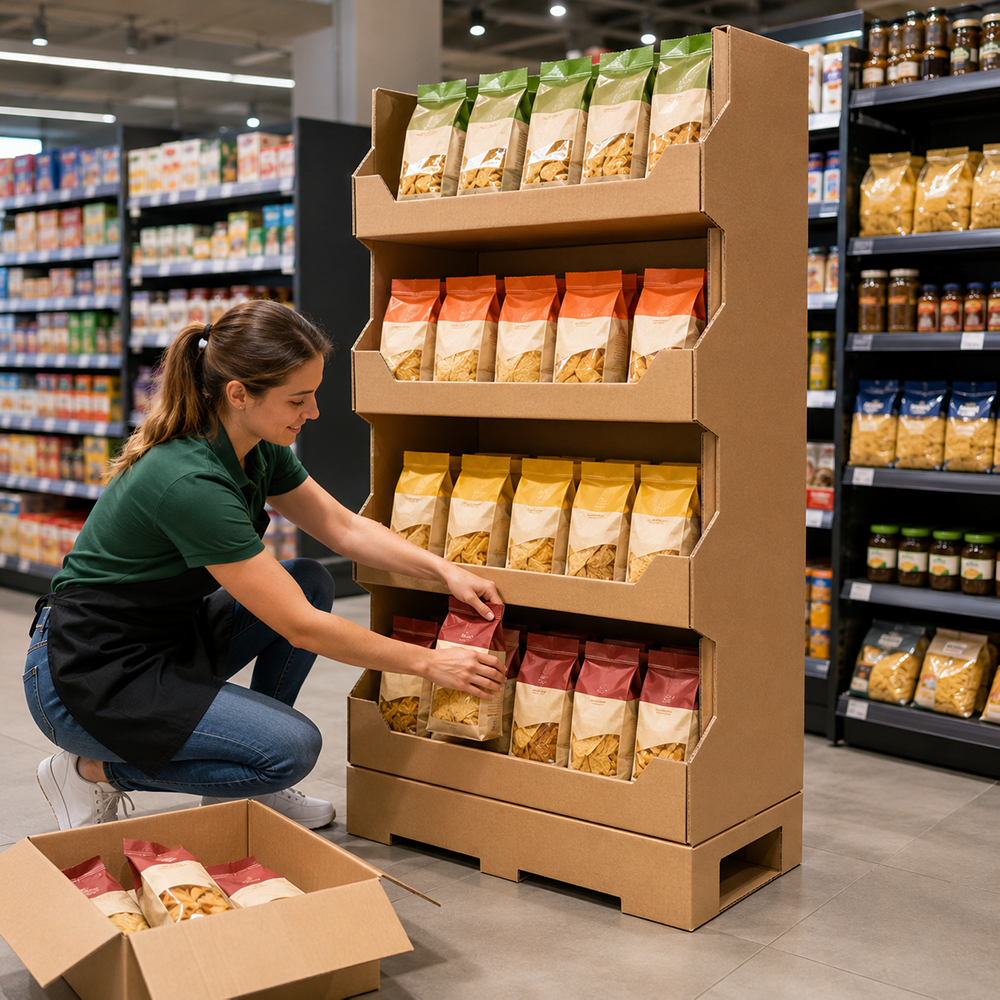
Many cardboard display stands use tool free assembly with tabs and slots. Store staff can often set them up quickly with minimal disruption.
Low maintenance
Cardboard displays are designed for short use and then removal, often with recycling. Instead of repairing a worn display, brands usually replace it for the next campaign.
Sustainability Benefits That Support Brand Value
Sustainability is now part of how shoppers evaluate brands in store. Cardboard displays support this shift because they are commonly made with recycled fiber and can be recycled through established paper recovery systems in many markets. Their lighter weight can also reduce transport emissions compared with heavier fixture materials.
A recyclable display stand can also reinforce brand trust when the sustainability message is consistent with the product and packaging.
Best Formats and Placements for Cardboard Displays
1 End cap display
Best for high visibility and quick conversion in busy aisles.
2 Retail floor display stand
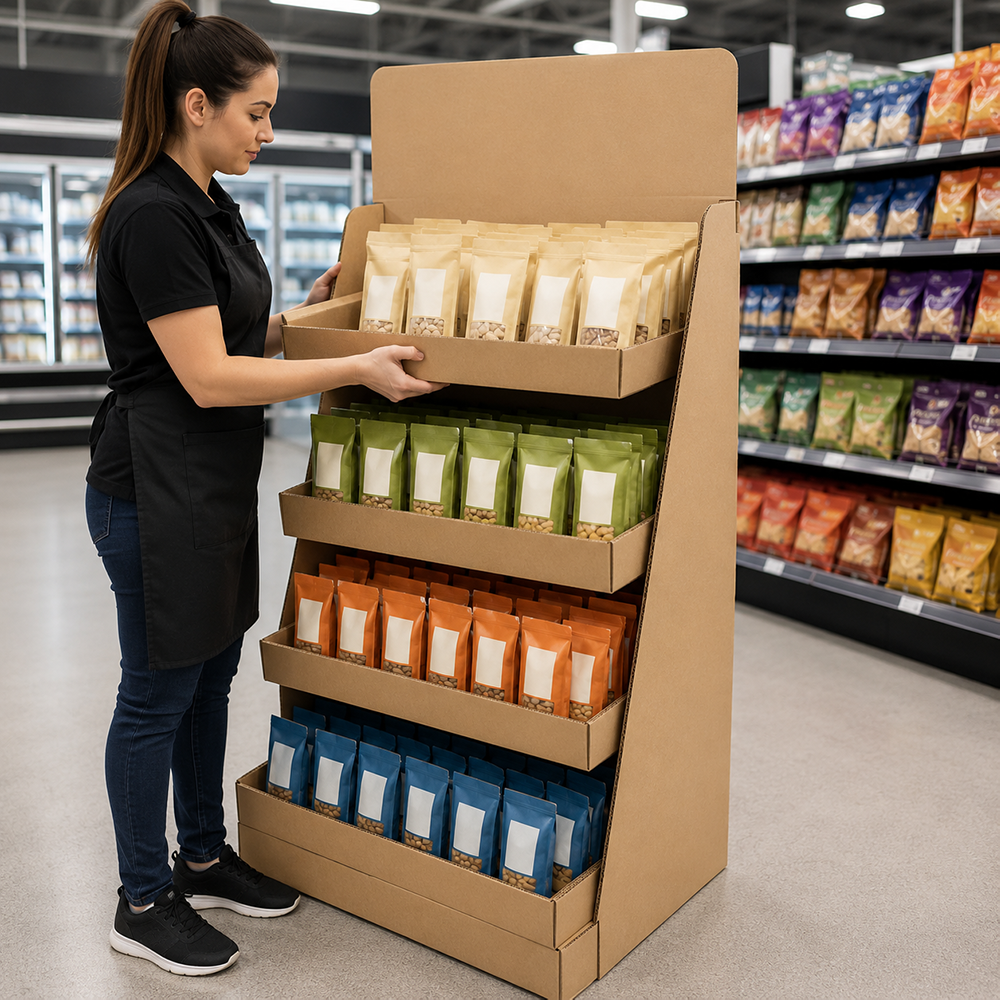
Best for seasonal promotions, new launches, and high traffic walkways.
3 Countertop cardboard display
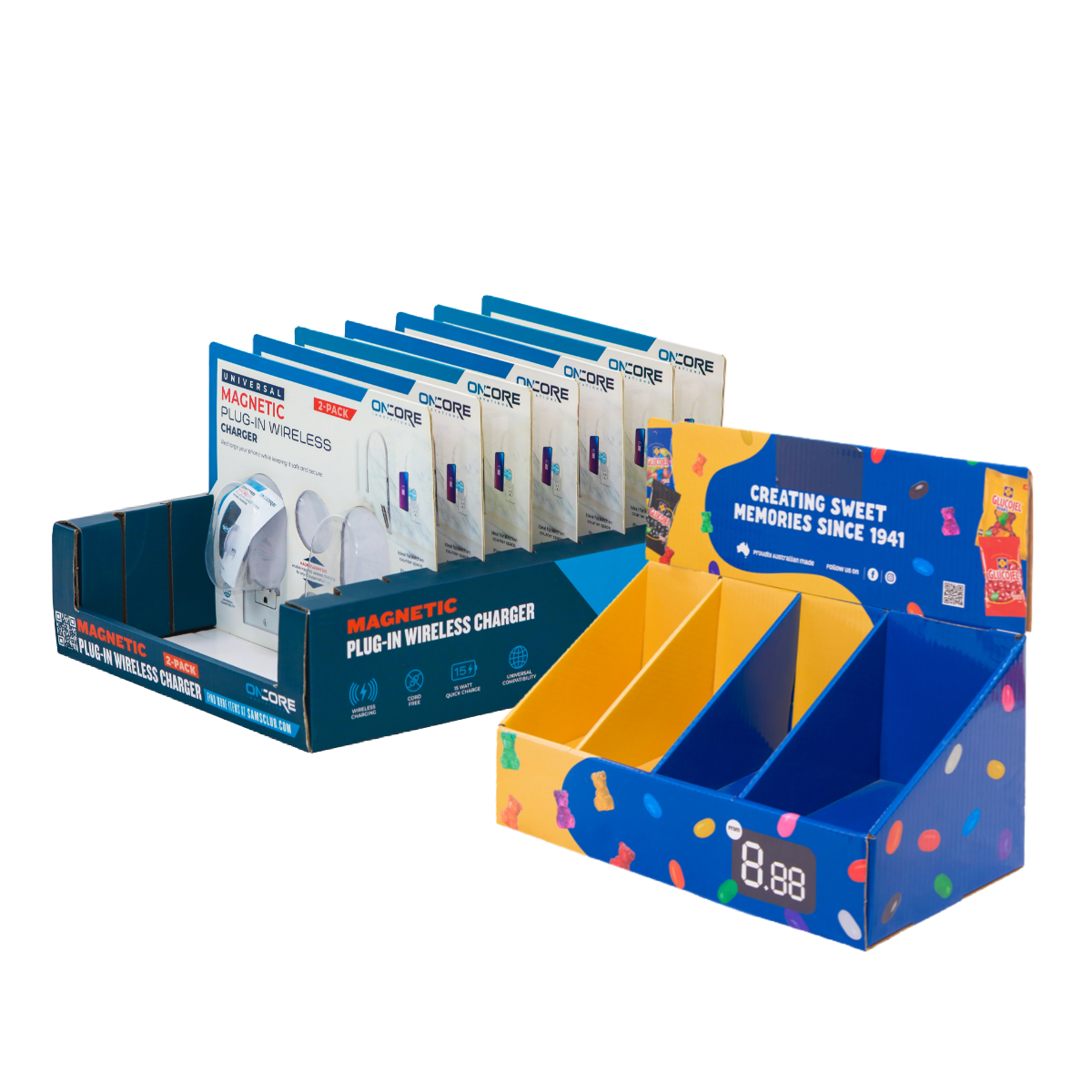
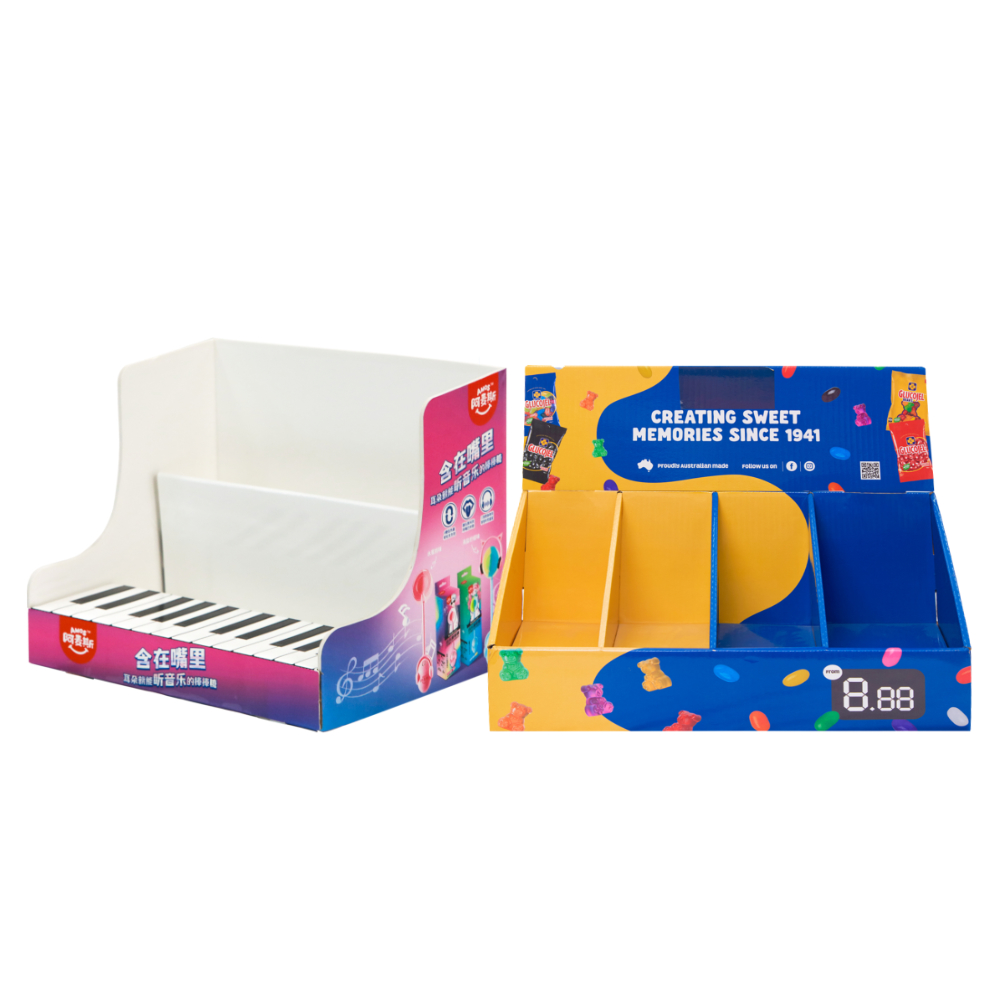
Best for small items and impulse add ons near checkout and service counters.
4 PDQ display
Best for fast rollout when you want a display that arrives packed with product and sets up quickly.
Quick Checklist for Better Results
• One product story per display
• One key benefit and one clear offer
• Stable structure that matches product weight
• Placement aligned with shopper flow
• Simple setup so stores actually deploy it
If you are evaluating cardboard display programs, Meiya Display focuses on campaign ready designs that support quick updates without the long commitment of permanent fixtures.
FAQ
What is a cardboard display stand
A cardboard display stand is a temporary POS fixture made from corrugated cardboard or paperboard that presents products in high visibility store locations.
Where should a cardboard point of sale display be placed
Common high performing locations include end caps, checkout zones, entrances, and open floor spots along main traffic paths.
Are corrugated cardboard displays recyclable
In many markets, corrugated cardboard can be recycled through paper recycling systems. Follow local rules and remove non paper components if needed.
Useful Links:
Shopper behavior and point of purchase impact
• POPAI 2014 Mass Merchant Shopper Engagement Study (PDF) HubSpot
• Point of purchase display definitions and best practice overview MDI
Recycling and sustainability data for cardboard and paper
• US EPA paper and paperboard material specific data 环保署
• US EPA containers and packaging product specific data, including corrugated boxes 环保署
• AF and PA 2024 US paper and cardboard recycling rates announcement 美国森林和纸张协会
• Fibre Box Association overview of corrugated recyclability and recycled content Fibre Box Associaton
• Fibre Box Association life cycle assessment resources for corrugated Fibre Box Associaton
Carbon footprint standards and reporting frameworks
• GHG Protocol Product Standard overview 温室气体协议
• ISO 14067:2018 carbon footprint of products standard overview 国际标准化组织
Suggested internal links to add on your site
• Cardboard display stands
• Cardboard floor display
• Countertop display
• End cap display
• PDQ display
• Sustainable retail displays and recyclable materials
Latest Posts
All Posts