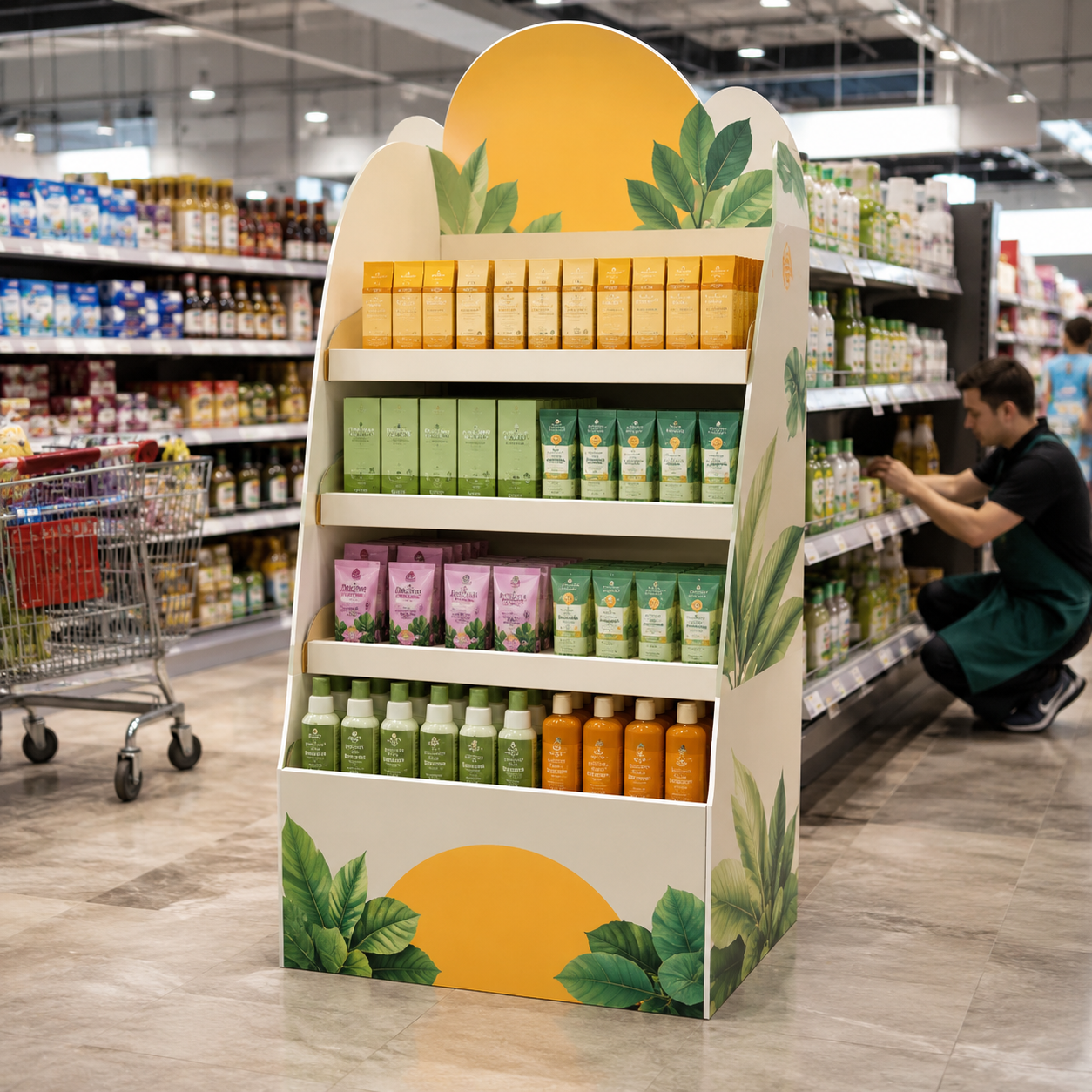
Why Good-Looking Cardboard Displays Fail in Retail Stores
Good-looking cardboard displays can still fail in stores if structure, placement, restocking, messaging, and stock planning are not considered.
Back to blogs
Executive Summary
A Cardboard display may look impressive in design files, sample rooms, and presentations. But once placed in real retail stores, appearance alone is not enough.
In-store displays need to fit the store layout, support product weight, stay stable, keep products easy to browse, and enable staff to restock efficiently. When these practical details are overlooked, even a well-printed and visually appealing display may fail to perform.
For brands and retail buyers, the key question isn’t just “Does this display look good?” but “Will this display perform reliably in real store environment?”
Why Appearance Alone Is Not Enough
Visual design matters. Exquisite graphics, clear printing, distinctive branding, and eye-catching colors all help cardboard displays stand out in busy retail environments.
However, stores are fast-moving spaces. Shoppers move quickly, aisles can become crowded, and staff usually have limited time for complicated setup or maintenance.
A display that looks impressive from the front can still underperform if it blocks traffics, sits in a weak location, suffers from insufficient inventory, or becomes messy within a few hours of use.
In many failed display projects, the problem is not poor artwork, but excessive focus on appearance during the design phase, with insufficient attention paid to daily store operations.
Poor Placement Can Make a Display Invisible
Placement has a major impact on display performance.
Displays should be placed where customers naturally pass by, stop, or make purchasing decisions. End caps, checkout areas, promotional aisles, and category-adjacent spaces often work better because these locations attract shopper traffic while meeting their purchasing needs.
A display that is located far from its product category, blocked by large displays, or hidden in a low-traffic corner may never be noticed. On the other hand, oversized floor displays in narrow aisles can cause congestion make shoppers avoid the area.
In retail, visibility is not just about being seen; displays must also be easily accessible for customers to approach, browse, and shop.
Weak Structures Can Damage Brand Image
A cardboard display require not only visual appeal but also structural reliability.
In retail stores, displays are touched by customers, restocked by staff, moved during cleaning, and exposed to daily shopper traffic. If the structure is too fragile, it may lean, bend, or deform before the promotion ends.
This is especially important for heavier products such as beverages, household goods, cosmetics, personal care items, and multi-pack products. Load-bearing capacity, cardboard grade, corrugation type, reinforcement points, and base stability will all impact long-term performance.
A display that looks flawless on launch but becomes unstable within days will not only damage the brand image but also undermine shopper confidence.
Difficult Restocking Leads to Messy Displays
A good cardboard display should be easy for store staff to manage.
If products are hard to refill, shelves are too deep, compartments are too tight, or the layout is confusing, staff cannot restock the display efficiently.
Over time, the display may develop empty spaces, overloaded areas, or become disorganized.
Therefore, restocking plans should be considered during the initial design process. Product size, SKU count, shelf depth, facing direction and restocking methods all need to be planned before mass production.
Fast-moving products may need larger display capacity. Small or lightweight items may need dividers, trays, or slots to stay upright and organized. A display that is easy to restock is more likely to stay neat, full, and attractive throughout the promotion.
Unclear Messaging Slows Down Decisions
Shoppers rarely spend time reading display copy. The message should be concise, direct, and easy to understand. Cardboard display units often fail because they try to convey too much information. Excessive slogans, overcrowded graphics, or vague value claims make the display look cluttered and result in poor performance.
An effective display should focus on a clear core message, such as a product’s benefits, seasonal promotions, new product launches, special offers, or sustainability features. Consumers should be able to see the buying reason at a glance.
Excellent design is more than just decoration. It helps shoppers make faster and more confident purchase decisions.
Stockouts Turn Attention into Lost Sales
Even a highly visible display will underperform if products are out of stock.
When shoppers notice a display but cannot find the product they want, the display loses its purpose. They may switch to another brand, delay the purchase, or shop elsewhere.
This makes display capacity and replenishment planning essential. Before production, buyers and suppliers should confirm how many units the display needs to hold, how quickly the product is expected to sell, and how store teams will refill them.
Strong visuals attract attention, but product availability turns that attention into sales.
Sustainability Claims Must Be Credible
Cardboard displays are widely used because they are lightweight, recyclable, and easier to align with packaging waste reduction goals.
However, sustainability only adds value when the claim is clear and credible. Terms such as recyclable board, FSC certified paper, water-based inks, plastic-free construction, and flat-pack shipping should be easy to understand and support.
A sustainable display still needs to look clean, sturdy, and retail-ready. If it looks weak or poorly finished, it may reduce brand trust instead of improving it.
How to Design a Better Cardboard Display
To reduce common failure points, display design should start with practical retail questions:
Where will the display be placed?
How much space is available?
What products will it hold?
How heavy are the products?
How often will restocking be needed?
Will store teams handle assembly?
How will the display be packed and shipped?
Does it need to meet retailer requirements?
These questions connect visual design with structure, logistics, and in-store execution.
At Meiya Display, every successful cardboard display project begins with understanding the products, retail channels, and promotion goal. Based on this, we plan the structure, material grades, printing solutions, packaging methods, and quality inspection processes as an integrated system. This helps reduce problems such as weak shelf load capacity, poor store fit, complicated assembly, shipping damage, unclear product placement, and unnecessary workload for store teams.
Conclusion
Good-looking cardboard displays may fail when they are designed mainly for appearance, with too little attention to real retail conditions.
A high-performing display must attract attention while fitting store layouts, supporting product loads, staying stable, conveying clearly, remaining easy to restock, and arriving in good condition.
For brands and retailers, the best cardboard display is not always the most eye-catching one. The truly excellent display not only looks great and performs reliably, but also supports the entire retail process from production and shipping to in-store setup, shopper engagement, and the final purchase.
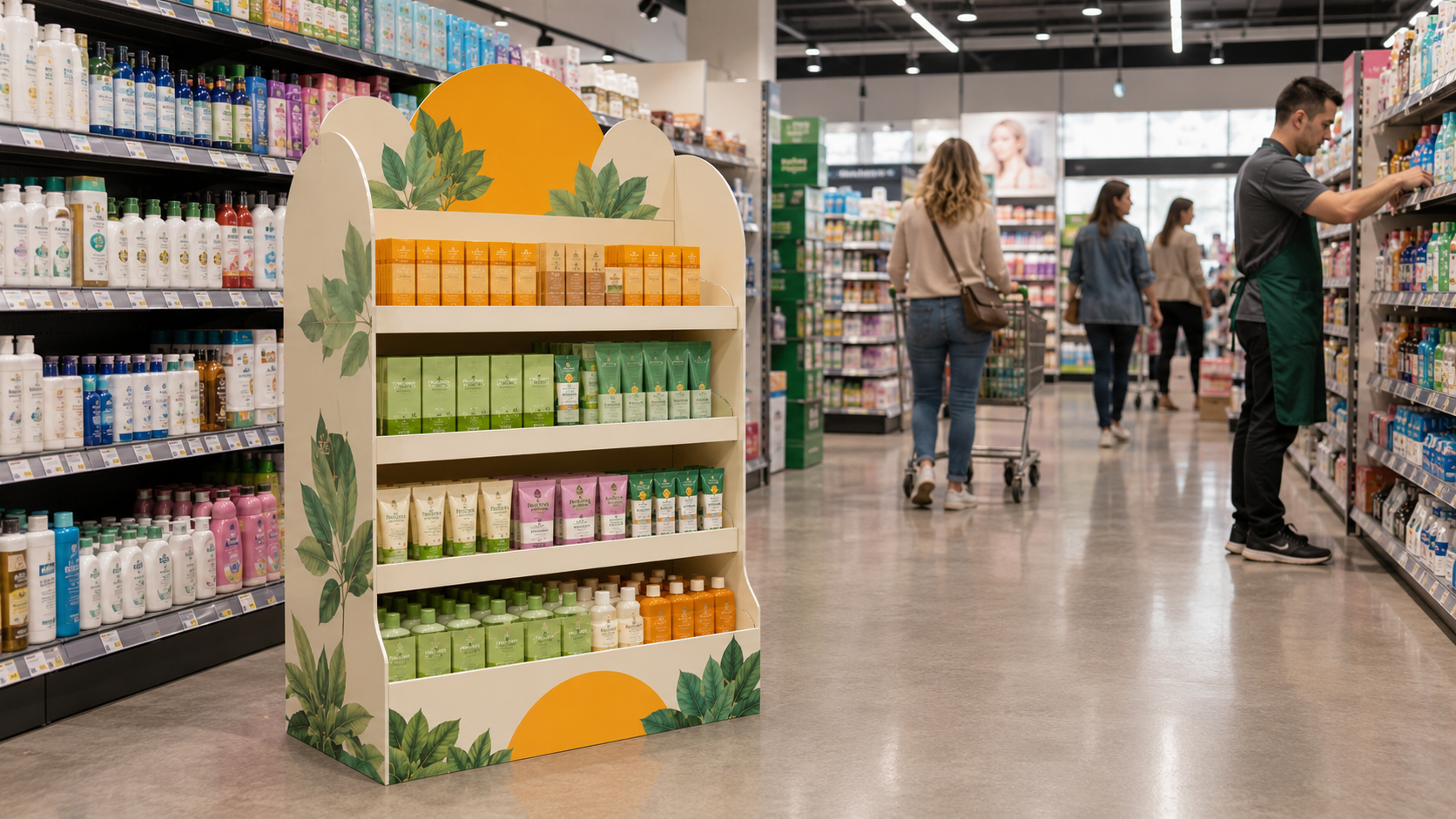
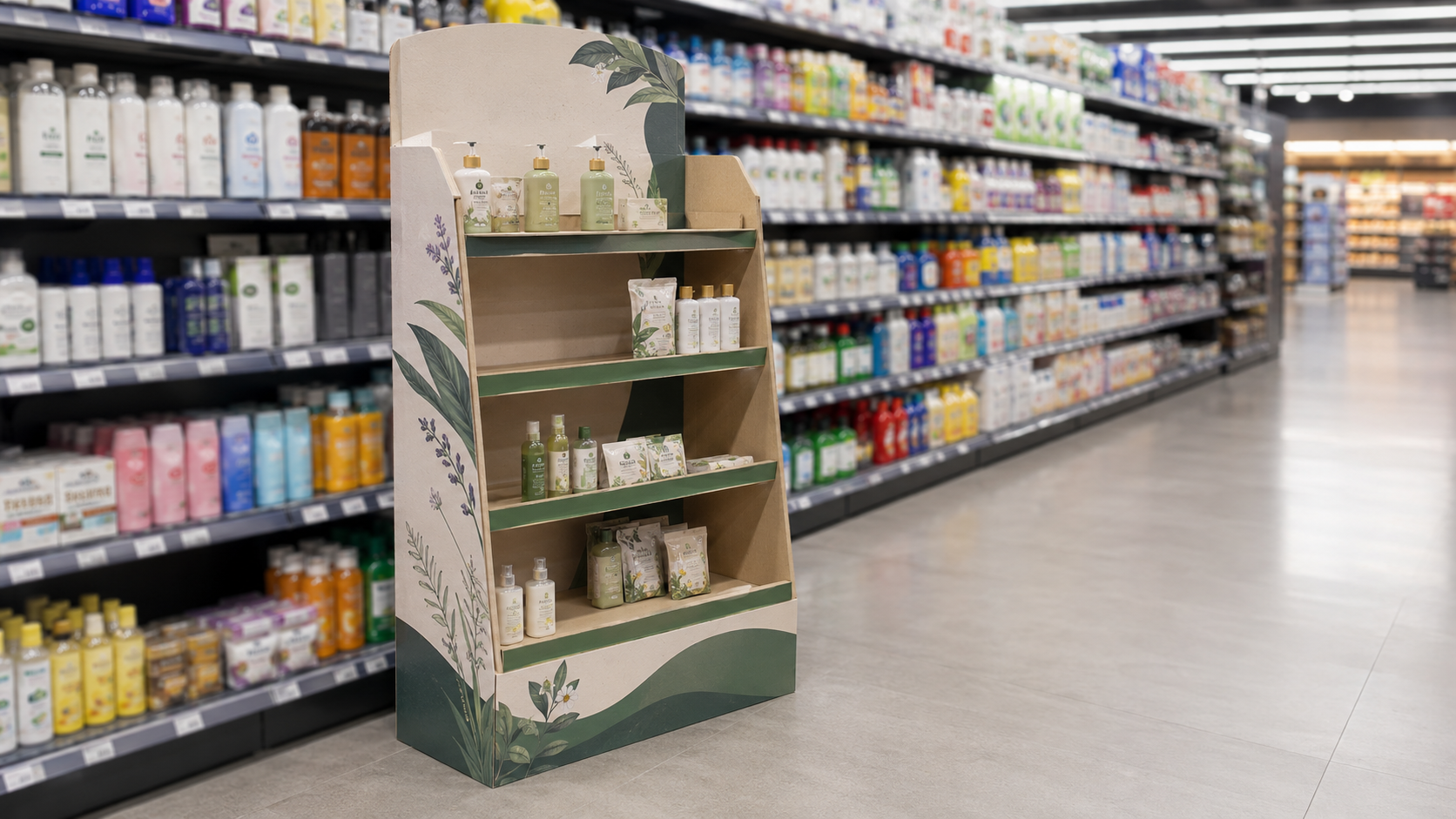
A good-looking cardboard display may attract attention, but real retail performance depends on product access, stocking efficiency, shelf stability, and store execution.
Useful Links:
- Structural Design of Corrugated POP Displays: Premium Appearance, Solid Strength
- Best Practices for Endcap Displays: Layout, Stocking, and Restocking
- Tool-Free Cardboard Display Stands: Streamlining Retail POP Display Installation
- Cardboard POP Displays: A Practical Guide to Printing and Materials
- Corrugated POP Displays: A Practical Pre-Shipment Inspection Checklist
- How Corrugated POP Displays Are Tested for Load Capacity
- What Retail Buyers Care About Besides Display Appearance
Latest Posts
All Posts